How the Creator Economy Reshaped Entertainment Careers
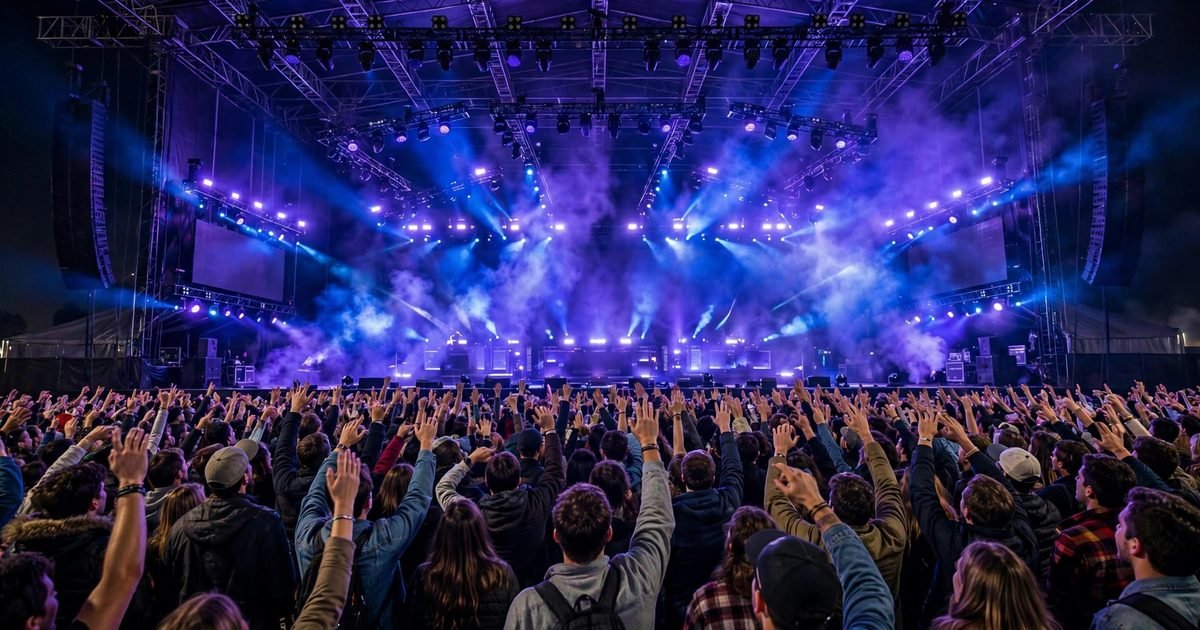
For most of the twentieth century, an entertainment career meant convincing a gatekeeper — a studio, a label, a network — to let you in. The creator economy inverted that model. Today a teenager with a phone can build an audience of millions and a six-figure business without ever meeting an executive. The result is not just new celebrities but an entirely new career structure with its own economics, risks and ladder.
The income stack
Successful creators rarely rely on one revenue stream. Platform ad revenue is usually the foundation but often the smallest slice. Layered on top: brand sponsorships, which pay far more per viewer than ads; affiliate links and discount codes; merchandise lines; paid memberships and subscriptions; live events and tours; and increasingly, equity in the startups they promote. The smartest creators treat attention as raw material and convert it into durable assets — email lists, product lines, production companies — that survive any single platform's algorithm change.
What changed for traditional careers
The old path was narrow and slow: auditions, development deals, release windows. The new path is wide and fast but brutally public — every flop happens in front of an audience. Paradoxically, traditional gatekeepers now scout creators the way scouts once watched open-mic nights; a large following has become the new audition tape. Meanwhile mid-career actors, musicians and comedians use direct-to-audience channels to bypass the feast-or-famine cycle of gig work, selling tickets and merchandise to fans they own rather than rent from a promoter.
The old industry did not surrender quietly — it adapted by absorbing the new model. Talent agencies now run creator divisions, traditional managers rebranded as "digital strategists," and brands built entire marketing departments around influencer partnerships. Venture capital followed, funding creator startups: editing tools, merch platforms, analytics dashboards, all selling picks and shovels to the gold rush. Universities added creator-economy courses. The irony is rich: the movement that began as a rebellion against gatekeepers has grown its own gatekeepers, complete with managers taking their twenty percent. The power genuinely shifted — creators own their audiences in ways old-media talent never did — but the supporting industry rebuilt itself around them with remarkable speed.
The hidden costs
The trade is not free. Creators absorb every function a studio once provided: production, editing, marketing, accounting, legal. Burnout is endemic because the algorithm rewards relentless output, and income can vanish overnight when a platform changes its rules. Health insurance, pensions and labor protections — the unglamorous scaffolding of old entertainment jobs — are each creator's private problem. The creator economy democratized access to audiences, but it also privatized all the risk.
Related Stories
EntertainmentHow video game budgets overtook Hollywood's
A plain-English explainer: a comparison of AAA budgets with film and where the money goes.
 Entertainment
What Nollywood's rise means for African cinema
A plain-English explainer: an overview of the industry's volume, stars and global reach.
 Entertainment
How Hollywood blockbusters are actually financed
A plain-English explainer: an overview of through studios, presales and tax incentives.