Digital Twins: Virtual Copies Reshaping Industry, Cities
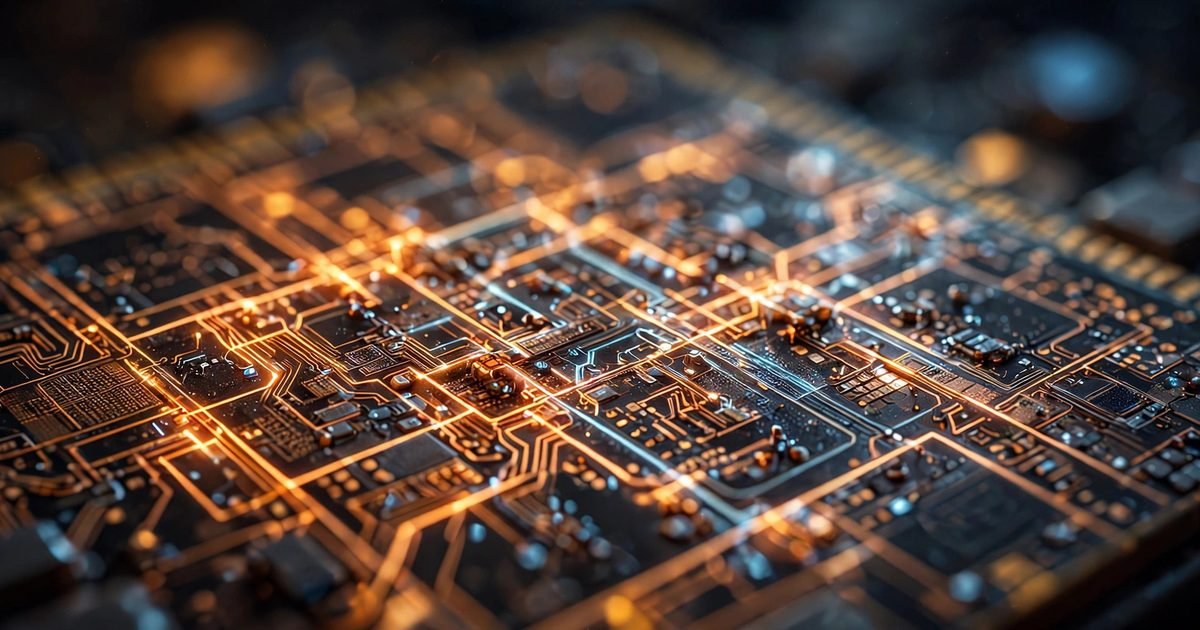
Before building a billion-dollar factory or redesigning a city district, engineers now build it twice: once in steel and concrete, once in software. The virtual copy — the digital twin — mirrors its physical sibling in real time, fed by sensors, and lets operators test the future before living it. It is one of the most powerful ideas in modern industry, and it is quietly everywhere.
A digital twin is not a simulation or a 3D model. It is a living replica, continuously synchronized with reality.
Twins in manufacturing
On the factory floor, digital twins ingest streams from thousands of sensors: temperatures, vibrations, throughput, energy use. Operators watch the twin to spot a bearing wearing out before it fails, test a production change virtually before touching the line, and optimize energy use across the plant. The payoff is measured in avoided downtime — the most expensive commodity in manufacturing.
The twin also accelerates design. New products are prototyped virtually, tested against simulated stresses, and refined before a single physical part is cut. What once required months of physical iteration now happens in days of computation.
Twins of cities
Scale the idea up and you get the city twin: a virtual metropolis modeling traffic, energy, water, and emergency response. Planners test a new tram line's effect on congestion, simulate flood scenarios under climate projections, or optimize building energy use across districts. Singapore's virtual replica is the famous pioneer; dozens of cities are following.
The challenges are data and governance. Twins are only as good as their sensor feeds, and city-scale twins raise questions about who owns the data mirror of public life. But as a planning tool, the ability to rehearse the future is transformative.
- A digital twin is a real-time virtual replica, synced by sensors.
- Factories use twins to predict failures and optimize production.
- Cities use twins to plan transport, energy, and disaster response.
The frontier is the twin that acts, not just mirrors. Paired with AI agents, tomorrow's twins will not only predict the bearing failure but schedule the maintenance, order the part, and reschedule production — closing the loop from insight to action. The mirror is becoming a manager. Industry's next leap is not better visibility, but the twin that runs the shift.
Digital twins turn the physical world into something testable. In an age of expensive mistakes — failed products, flooded districts, broken supply chains — the chance to get it right virtually first is worth billions.
Related Stories
 Technology
Smartphone AI Features: What They Actually Do for You
Night modes, live translation, call screening: which smartphone AI features people actually use — and the gimmicks.
 Technology
How Ransomware Gangs Operate — and How to Stay Safe
From phishing to double extortion: how ransomware gangs operate — and the unglamorous defenses that actually work.
 Technology
Why Big Tech Is Racing to Build Custom AI Chips
Billions to escape chip dependence: the economics and strategy behind Big Tech's custom silicon race.