5G vs 4G: What Changes in Everyday Use
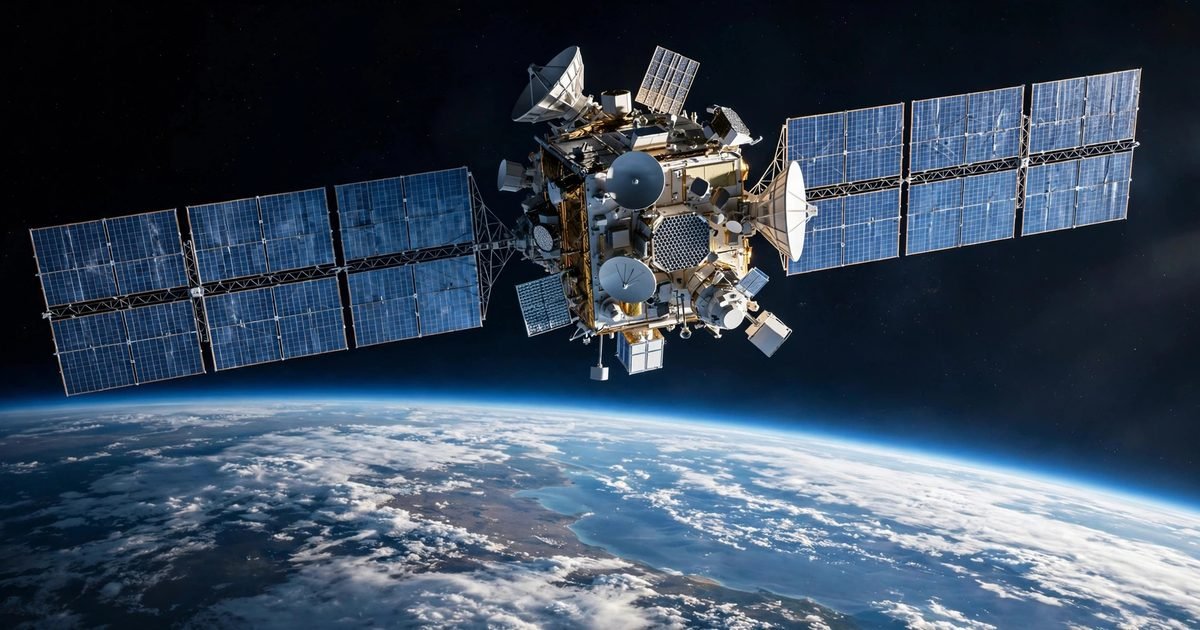
The jump from 4G to 5G was sold as a revolution: instant downloads, remote surgery, self-driving cars coordinated in real time. Years into the rollout, many phone owners shrug — their 5G icon lights up, but life feels much the same. So what actually changed, and what was marketing?
The honest answer is more interesting than either the hype or the disappointment suggests.
Speed, latency and capacity
Three things technically separate 5G from 4G. Speed is the headline: in good conditions, 5G delivers dramatically faster downloads than 4G — a film in seconds rather than minutes. But speed was never 4G's real bottleneck for most uses; streaming and browsing worked fine. The more meaningful upgrades are latency and capacity.
Latency — the delay before data starts moving — drops from tens of milliseconds toward single digits on good 5G. That matters for gaming, video calls, and anything interactive. Capacity matters even more: 5G can serve far more devices per square kilometer, which is why your phone still works in a packed stadium. For the average user, the everyday difference is less 'wow, faster' than 'works where 4G choked.'
Where it matters in real life
Gaming is the clearest consumer win: cloud gaming and competitive mobile play need the low latency 5G provides. Fixed wireless — home internet delivered over 5G instead of cables — has become a genuine alternative in many areas, forcing traditional ISPs to compete.
The industrial uses are where the revolution quietly happened. Private 5G networks run factories, ports, and mines, coordinating robots and sensors with reliability Wi-Fi cannot match. Remote medicine, autonomous vehicles, and smart grids all lean on 5G's combination of low latency and massive device density.
- Speed: faster, but rarely the binding constraint for consumers.
- Latency and capacity: the real upgrades — gaming, crowds, industry.
- Killer app: industry and fixed wireless more than the smartphone.
One underappreciated consequence is the fixed-wireless boom. Millions of households now get home internet over 5G instead of cable, often at lower prices — a competitive shock the broadband industry did not expect from a 'mobile' technology. The revolution's most disruptive consumer effect may be the one nobody advertised: the humble home router, replaced by a cellular signal.
5G was oversold as a consumer revolution and undersold as infrastructure. The phone in your pocket feels only modestly different. The factory, the port, and the rural home with new broadband feel the difference profoundly. The revolution happened — just not where the advertisements pointed.
Related Stories
 Technology
Smartphone AI Features: What They Actually Do for You
Night modes, live translation, call screening: which smartphone AI features people actually use — and the gimmicks.
TechnologyHow Ransomware Gangs Operate — and How to Stay Safe
From phishing to double extortion: how ransomware gangs operate — and the unglamorous defenses that actually work.
 Technology
Why Big Tech Is Racing to Build Custom AI Chips
Billions to escape chip dependence: the economics and strategy behind Big Tech's custom silicon race.