How Blue Zones Eat: Lessons for a Longer Life
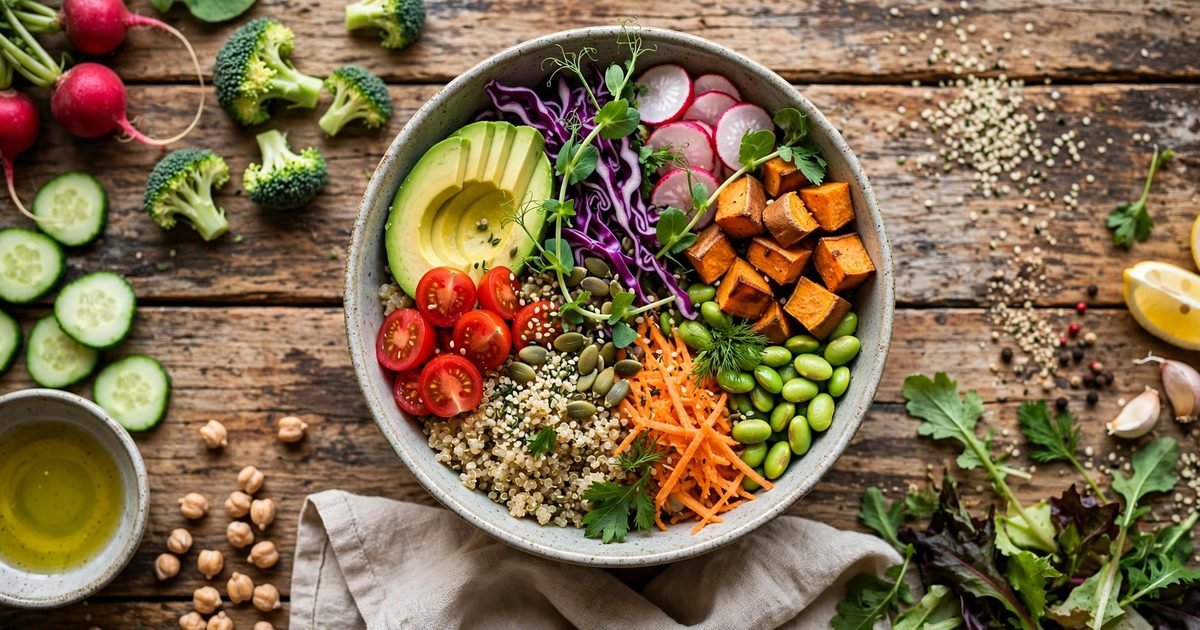
In a handful of regions around the world — from Okinawa to Sardinia to Nicoya — people routinely live active lives past one hundred. Researchers studying these "blue zones" found that diet was not the whole story, but it was a consistent thread. The striking part is how undramatic the eating patterns are: no superfoods, no biohacking, just humble traditions that modern nutrition science keeps validating.
The shared patterns
Across the zones, the plates look remarkably similar: mostly plants, with beans and lentils as staples, whole grains, nuts, and vegetables from gardens. Meat appears rarely, more garnish than centerpiece. Portions are modest — several cultures practice a version of stopping before feeling full. Wine exists in some zones but as part of social meals, never as a health strategy. The pattern is not a "diet" in the modern sense; it is simply how people ate before industrial food.
It is not just the food
Honest researchers stress the context: these eating patterns come bundled with constant low-intensity movement, strong social ties, purpose, and low stress. Isolating diet misses the point — the beans work partly because they are eaten slowly, with family, after a walk. Anyone copying the menu while keeping a sedentary, isolated, stressed life should expect modest results. Longevity is a package deal, and food is one beloved component.
The purpose finding may matter as much as the food. Researchers found that blue-zone cultures have explicit concepts for life purpose — a reason to get up in the morning — and that strong social integration predicts longevity as powerfully as any dietary factor. Elders remain embedded in family and community life rather than segregated by age; multi-generational households are the norm, not the exception. Downshift rituals — prayer, naps, happy hour with friends — punctuate days with deliberate calm. Strip the romance away and the formula is almost embarrassingly simple: eat plants, move naturally, belong somewhere, and have a reason to wake up. The modern world struggles most with the last three.
What you can actually borrow
- Make plants and legumes the default, meat the accent.
- Eat until 80% full; serve smaller portions.
- Cook more, snack less; make meals social when possible.
- Grow something edible, even herbs on a windowsill.
You do not need to move to Sardinia. You need a pot of beans, a walk after dinner, and people to share both with. The blue zones' real lesson is that longevity looks less like optimization and more like a good ordinary life.
Related Stories
 Lifestyle
How Different Countries Do Parental Leave
From a year of paid leave to almost nothing: comparing parental leave policies — and what the outcomes show.
 Lifestyle
What Forest Bathing Actually Does
Japan's shinrin-yoku promises stress relief through forest immersion. What the research really shows — beyond the poetry.
 Lifestyle
How to Travel on a Budget Like a Frequent Flyer
Cheap travel isn't luck — it's systems. Fare alerts, points strategy and flexible-date tactics the pros actually use.