How Fashion and Music Feed Each Other
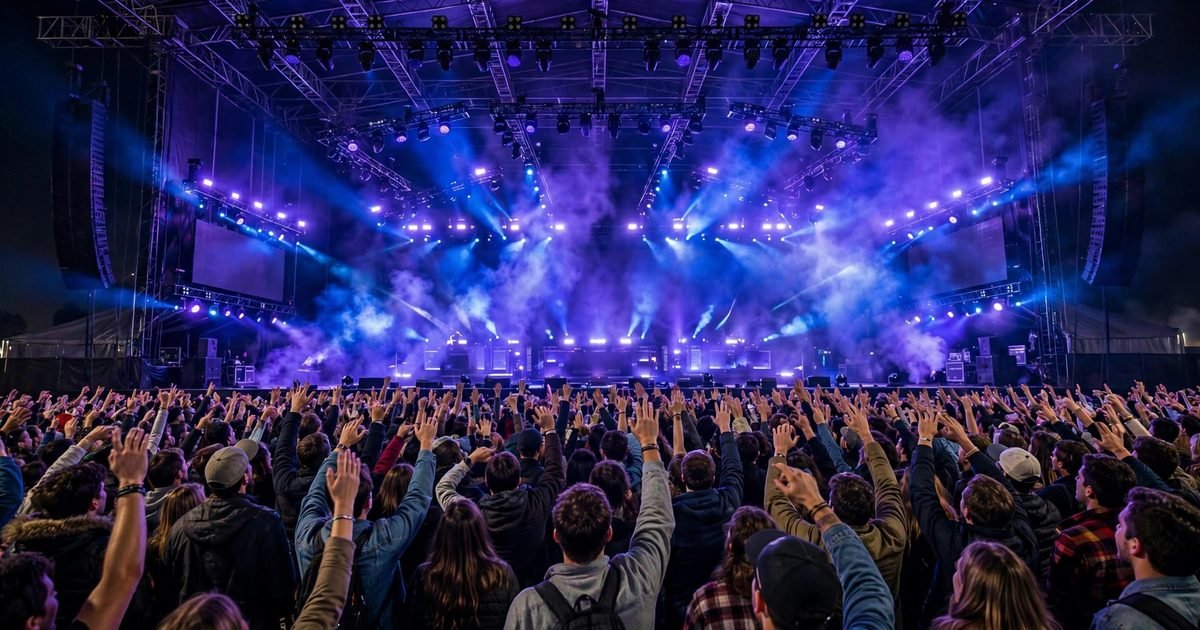
Pop stars sit front row at fashion week; luxury houses dress world tours; a sneaker collaboration can break the internet faster than an album. Fashion and music have always flirted, but in the social media era the relationship has become a full merger — image and sound now launch together, market together and profit together.
The runway-to-stage pipeline
The exchange runs both ways. Musicians give fashion cultural heat: a star wearing an emerging designer can transform an unknown label overnight, and tour wardrobes function as months-long global advertising campaigns. Fashion gives musicians identity architecture — the look that makes the sound recognizable in a thumbnail. Stylists have become as important as producers in an artist's team, and creative directors at major houses now routinely come from music-adjacent worlds.
Why it intensified
Several forces fused the industries. Streaming made music abundant and cheap, pushing artists to monetize image, lifestyle and merchandise instead. Social media made every outfit a content event. Luxury conglomerates, hunting younger customers, discovered that musicians reach demographics fashion advertising cannot buy. The result: musicians as creative directors, fashion houses as record labels' new best friends, and collaborations — sneakers, capsules, fragrances — as a standalone economy.
Streetwear is where the merger is most visible. Born from skate, hip-hop and club cultures, streetwear turned music-adjacent style into a multi-billion-dollar industry of drops, collaborations and resale markets. Luxury houses that once sniffed at hoodies now hire streetwear designers and chase the same hype mechanics. The drop model — artificial scarcity, community ritual, instant sellouts — was perfected in music merch before fashion adopted it wholesale. What is striking is how completely the hierarchy inverted: the underground aesthetic did not get absorbed by luxury so much as luxury reoriented itself around the underground. Music did not just influence fashion's looks; it rewired fashion's business logic.
Authenticity is the currency
The partnerships that work share one trait: they feel true to the artist. Fans can smell a purely transactional endorsement instantly, and nothing kills credibility faster. The enduring fashion-music icons — across every era — are the ones whose style was an extension of their art rather than a sponsorship. In the feed-each-other economy, authenticity is not a vibe; it is the entire business model.
The runway and the stage have merged into a single cultural machine, and there is no going back. In the attention economy, sound needs an image and image needs a soundtrack — the artists who master both own the future.
Related Stories
EntertainmentHow video game budgets overtook Hollywood's
A plain-English explainer: a comparison of AAA budgets with film and where the money goes.
 Entertainment
What Nollywood's rise means for African cinema
A plain-English explainer: an overview of the industry's volume, stars and global reach.
 Entertainment
How Hollywood blockbusters are actually financed
A plain-English explainer: an overview of through studios, presales and tax incentives.