How Live Touring Became Artists' Main Income
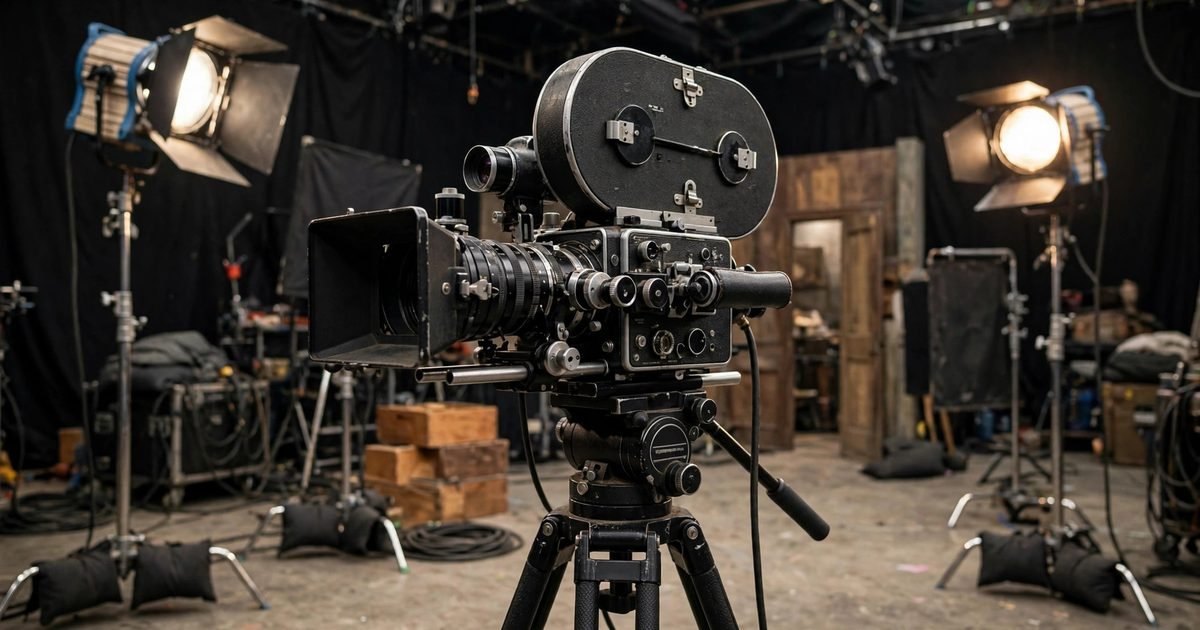
Ask a working musician where the money comes from and the answer is almost always the same: the road. As recorded-music revenue collapsed and streaming replaced it with micropayments, live performance went from promotional expense to economic engine. Touring is now the center of the music business — and its economics explain everything about how the industry works.
The math that moved the industry
Streaming pays artists fractions of a cent per play; a million streams might buy a used car. A single sold-out theater show can gross more than a year of streaming for a mid-size act. Merchandise tables, meet-and-greet upgrades and VIP packages layer high-margin revenue on top of tickets. The result: artists plan careers around tour cycles, and albums increasingly function as marketing for the tour rather than the other way around.
What touring demands
The economics are brutal as well as lucrative. Touring means months away from home, physical punishment, and upfront costs — crew, transport, staging — that can sink an act if ticket sales soft-pedal. The business has stratified: superstar tours gross staggering sums while smaller acts grind through clubs for survival money. Dynamic pricing controversies and fee-laden ticketing have also strained the fan relationship, turning the box office into a reputational battleground.
Festivals became the touring economy's other pillar. A single festival slot puts an artist before tens of thousands of potential fans, functioning as the most efficient discovery mechanism in live music — one great set can convert a crowd that streaming never reached. For fans, festivals bundle value: multiple headliners for less than individual tickets. For the industry, they de-risk the calendar, guaranteeing paydays regardless of an act's individual draw. The festival circuit now shapes release schedules themselves, with artists timing albums to summer lineups. If the solo tour is the album, the festival is the compilation — and both are essential to the modern touring business.
The stage as the product
Culturally, the shift elevated performance itself. In an era of infinite recorded music, the scarce good is presence — being in the room. Artists invest in spectacular stage design because the show must justify its price against free alternatives. The concert became the album's true release event, the merch table its gift shop. Music is abundant; the live moment is not, and scarcity is what the market pays for.
Recorded music became abundant and nearly free; the live moment became the scarce good. Artists who understand that trade — selling presence, not just songs — will keep the lights on long after the streaming checks stop mattering.
Related Stories
 Entertainment
How video game budgets overtook Hollywood's
A plain-English explainer: a comparison of AAA budgets with film and where the money goes.
 Entertainment
What Nollywood's rise means for African cinema
A plain-English explainer: an overview of the industry's volume, stars and global reach.
EntertainmentHow Hollywood blockbusters are actually financed
A plain-English explainer: an overview of through studios, presales and tax incentives.