What 'Illiberal Democracy' Means
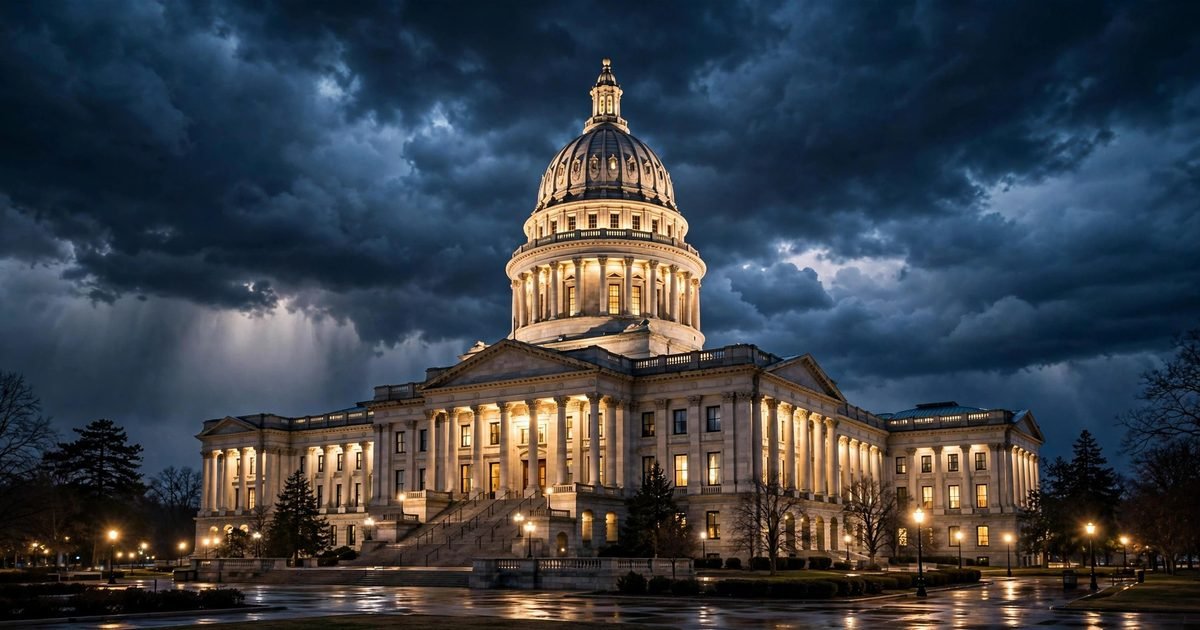
It holds elections, but jails journalists. It has courts, but they serve the ruler. Welcome to the paradox of illiberal democracy — a term that describes regimes with the outward machinery of democracy and the inward reality of concentrated, unaccountable power.
What the term means
Political scientist Fareed Zakaria coined the phrase to capture a specific phenomenon: governments that win reasonably competitive elections while systematically dismantling liberal constraints — judicial independence, press freedom, minority rights, civil society. The democracy is real in the narrow electoral sense; the liberalism — the protections that keep majorities from crushing everything else — is being removed.
The concept's power is diagnostic. It distinguishes illiberal democracies from outright autocracies (no real elections) and from flawed but liberal democracies (real constraints, imperfect practice). Hungary under Viktor Orbán became the textbook case: elections happen, the opposition exists, yet media capture, constitutional engineering, and EU-fund patronage have tilted the field decisively.
The debate around it
Critics argue the term is too generous — that calling such regimes democracies at all legitimizes them, and that the liberal and democratic components cannot really be separated. Once courts are captured and media muzzled, they say, elections become performance rather than choice, and the regime is better described as competitive authoritarianism.
Defenders of the term counter that it captures something real about popular support: many illiberal leaders genuinely win votes, and dismissing their regimes as mere dictatorships misses why citizens back them — often a mix of economic delivery, cultural affinity, and distrust of liberal elites.
Why the distinction matters
The EU's Article 7 mechanism was supposed to be the answer. Designed to suspend a member state's voting rights for breaching founding values, it has never been fully used — the procedure requires unanimity minus the accused, and accused states protect each other in a mutual veto pact. The result is the EU's most embarrassing institutional failure: a disciplinary tool everyone invokes and nobody triggers. Brussels has improvised alternatives — rule-of-law conditionality on EU funds, infringement proceedings, political pressure — with mixed results. The saga illustrates a general principle: supranational bodies are only as strong as their members allow, and disciplining members for democratic backsliding requires the very consensus backsliding destroys. The EU keeps searching for leverage that doesn't require unanimity. It hasn't found it yet.
How outsiders respond depends on the diagnosis. If a regime is democratic but illiberal, engagement and conditionality might pull it back; if it is authoritarian with elections, confrontation may be the only honest stance. The term forces a harder question than either cheerleading or condemnation: what, exactly, makes a democracy worthy of the name — the vote, or what the vote cannot touch?
Related Stories
 Politics
How the UN Veto Shapes World Politics
Five countries can block any UN Security Council decision alone. The veto's Cold War logic, its invisible power, and why reform is structurally impossible.
 Politics
Why Political Polarization Keeps Rising
Partisans increasingly dislike and fear each other, not just disagree. The media, geographic and institutional drivers of polarization — and whether it can reverse.
 Politics
How Referendums Can Backfire on Governments
Governments call referendums expecting validation and get rebukes instead. Why direct democracy backfires — and the rules leaders keep relearning.