How the Premier League Became Football's Richest
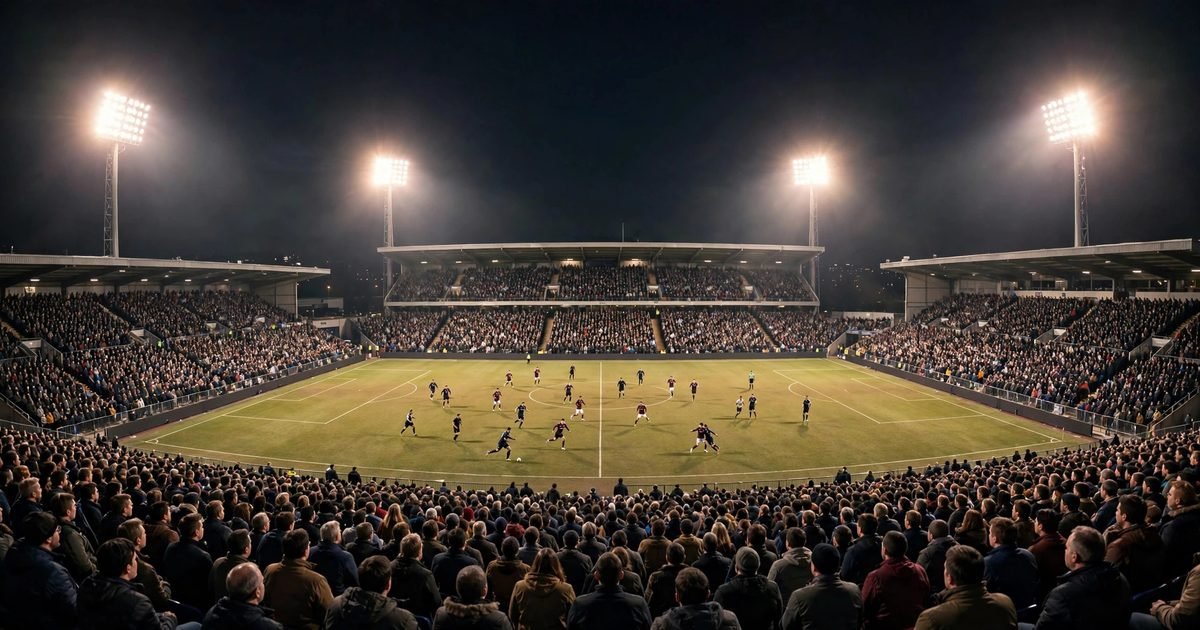
In the early 1990s, English football was recovering from stadium disasters and hooliganism's shadow. Then 22 clubs broke away to form the Premier League, sold television rights collectively, and set in motion a commercial ascent without parallel in team sports. Today the league's broadcast deals are worth billions, its clubs outspend every rival, and its matches air in more countries than almost any other sporting competition.
The transformation was not luck. It was a strategy — part media product, part global brand — executed relentlessly for three decades.
The TV billions
The founding genius was collective selling. Instead of each club negotiating alone — which would have enriched two or three giants and starved the rest — the league sold its rights as a bundle and shared the revenue. The result: even relegated clubs receive sums that make them richer than champions in smaller leagues. Competitive balance became a selling point in itself, because any given weekend can produce an upset.
Then came the international rights. The Premier League understood earlier than its rivals that the real growth was abroad. Kickoff times were tuned for Asian audiences, marketing tours targeted the United States and Africa, and broadcast deals multiplied across continents. International rights now rival domestic ones in value — a reversal few predicted.
Competition between broadcasters did the rest. Every rights auction became a bidding war, each cycle setting records. The money cascaded into transfer fees and wages, which bought the world's best players, which made the product better, which made the next auction richer. A virtuous circle, spinning for thirty years.
Global fans and commercial machinery
Commercial revenue followed the cameras. Shirt sponsors, sleeve sponsors, stadium naming rights, pre-season tours in front of 100,000 fans in Michigan or Melbourne — Premier League clubs operate as global entertainment brands. Social media turned players into influencers with nine-figure followings, each post a billboard.
The league's governance helped: relatively light-touch ownership rules attracted foreign investment, from American consortiums to Gulf states, pouring capital into squads and stadiums. Critics argue the money has distorted competition and priced out local fans. Defenders point to full stadiums, record revenues across all 20 clubs, and a product the world demonstrably wants to watch.
- Collective TV selling spread wealth and protected competitive balance.
- International rights, tuned for global time zones, became the growth engine.
- Foreign investment and commercial deals turned clubs into global brands.
No other football league has replicated the formula at the same scale. Spain has bigger individual clubs; Germany has fuller stadiums. But as a commercial machine, the Premier League stands alone — and the gap keeps widening.
Related Stories
SportsHow Marathon Runners Fuel 42 Kilometers
Glycogen, gels and race-day science: the nutrition strategy behind the marathon.
 Sports
How Cricket's T20 Format Conquered World Sport
Three hours, fireworks, franchises: the invention that remade cricket's economy.
SportsHow the NBA Became a Global Entertainment Product
Marketing, stars and international expansion: the making of basketball's empire.