How Smart Grids Balance Renewable Energy
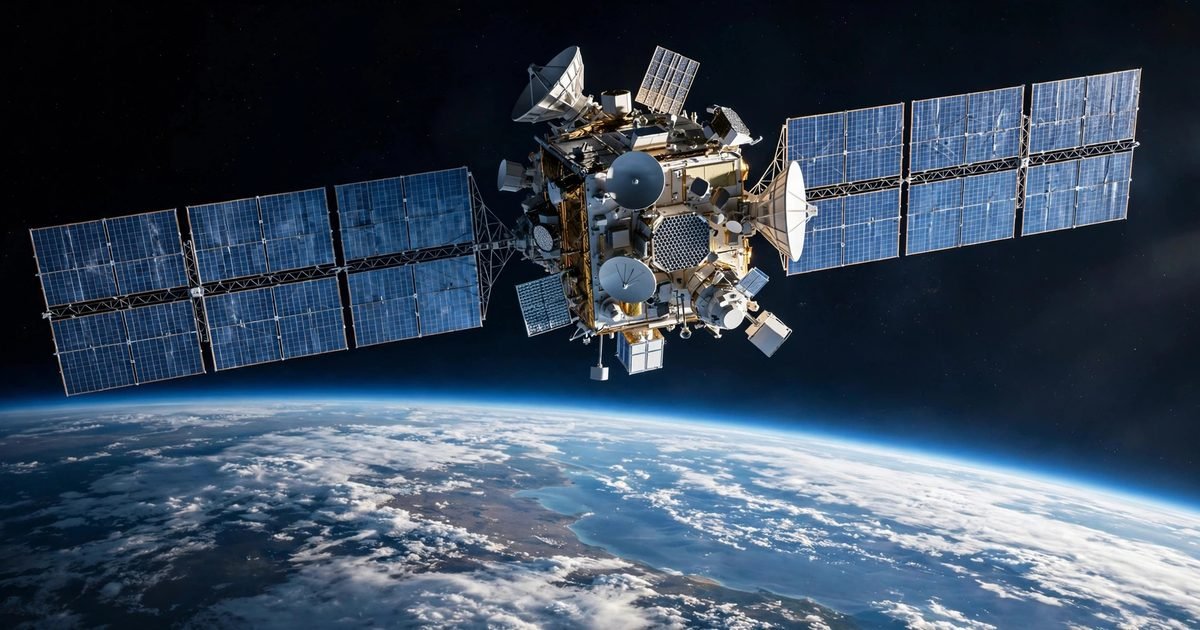
Electricity grids were designed for a predictable world: big power plants that ramp up and down on command. Wind and solar have broken that model — they generate when nature decides, not when demand peaks. Keeping the grid stable anyway is the job of the smart grid, a layer of sensors, software, and storage that balances supply and demand in real time.
The core challenge is physics: supply and demand must match every second, or the grid's frequency drifts and equipment trips offline. With variable renewables providing a growing share of power, that balancing act gets harder — and more interesting.
Demand response: making consumption flexible
The traditional approach was to adjust supply to meet demand. Smart grids flip part of that equation, adjusting demand to meet supply. Industrial users get paid to briefly reduce consumption when the grid is stressed. Smart thermostats pre-cool buildings before evening peaks. Electric vehicles charge when wind is abundant and pause when it is not.
None of this requires anyone to sit in the dark. The trick is shifting flexible loads by minutes or hours — invisible to daily life, invaluable to grid operators. Aggregated across millions of devices, this flexibility acts like a giant, distributed power plant.
Storage and software orchestration
Batteries are the most visible storage solution, soaking up midday solar and discharging during evening peaks. But storage takes many forms: pumped hydro, hot water tanks, and even the thermal mass of buildings. The economics keep improving as battery costs fall.
Above it all sits the software layer — forecasting weather and demand, dispatching storage, and coordinating millions of endpoints. Modern grid operators increasingly rely on machine learning to predict renewable output hours ahead, turning uncertainty into a manageable planning problem.
- Grid frequency must balance every second; renewables make this harder.
- Flexible demand acts like a virtual power plant.
- Forecasting software turns weather uncertainty into planning data.
Electric vehicles are quietly becoming one of the grid's biggest flexibility assets. A parked EV is essentially a large battery on wheels, and managed charging — or even vehicle-to-grid discharging — can turn millions of cars into a distributed storage network. Utilities are already running pilots where fleets earn money by feeding power back during peaks. As EV adoption grows, the line between transport and grid infrastructure will keep blurring, making the smart grid as much about cars as about cables.
What this means for the energy transition
Smart grids are what make high renewable shares practical without sacrificing reliability. Countries leading the transition consistently find that grid flexibility — not just more generation — is the binding constraint. The investment case is strong: every unit of flexibility defers expensive grid reinforcement.
The grid of the future will be less like a one-way pipe and more like a living network — sensing, predicting, and adapting continuously. That transformation is already underway.
Related Stories
 Technology
Smartphone AI Features: What They Actually Do for You
Night modes, live translation, call screening: which smartphone AI features people actually use — and the gimmicks.
TechnologyHow Ransomware Gangs Operate — and How to Stay Safe
From phishing to double extortion: how ransomware gangs operate — and the unglamorous defenses that actually work.
 Technology
Why Big Tech Is Racing to Build Custom AI Chips
Billions to escape chip dependence: the economics and strategy behind Big Tech's custom silicon race.