Why Southeast Asia Is the New Manufacturing Frontier
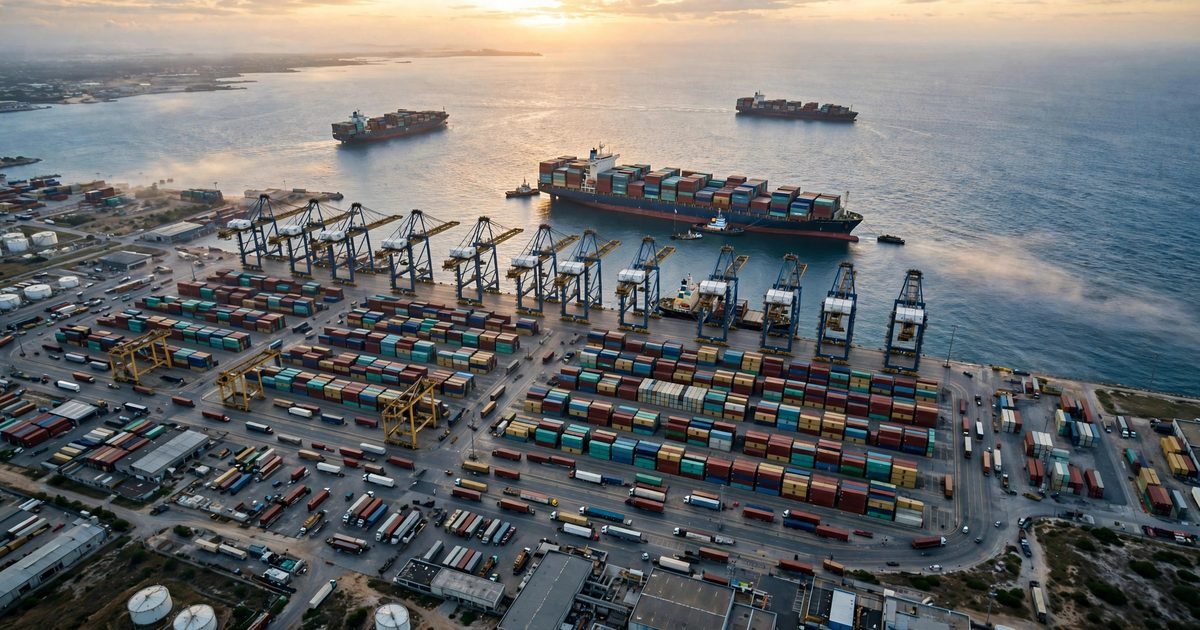
As companies diversify supply chains away from single-country dependence, Southeast Asia has emerged as the prime beneficiary. Factory investment is flowing into the region at a remarkable pace, redrawing the map of global manufacturing.
The drivers are structural, not cyclical. Firms want resilience against geopolitical shocks, trade tensions, and the concentration risks the pandemic exposed. Southeast Asia offers the rare combination both strategists and accountants want: cost-competitive labor, improving infrastructure, and governments actively courting investment.
The industrial park boom
Across the region, industrial parks are rising at speed — planned zones with power, logistics, and streamlined permitting designed to get factories running fast. Countries compete on incentives: tax holidays, land deals, and one-stop approvals. The best parks now host entire supplier ecosystems, not just final assembly.
Electronics lead the wave, followed by automotive components, furniture, and textiles moving up the value chain. Each anchor investment pulls in suppliers, creating the clustering effects that make manufacturing sticky.
The workforce story
The region's demographic profile — young, growing, increasingly skilled workforces — is central to the pitch. Technical training programs are expanding, though skills gaps remain the most cited constraint by investors. Wages are rising, which is both the point (development) and the risk (eroding the cost edge).
Labor standards scrutiny is intensifying as Western brands shift production; the region's ability to enforce them will shape its reputation with consumers and regulators alike.
- Supply-chain diversification is driving sustained factory investment.
- Purpose-built industrial parks compress setup timelines.
- Young workforces are the core asset; skills gaps the main constraint.
Competition among the region's countries for investment is fierce — and not always healthy. Bidding wars over incentives can erode the tax base that funds the infrastructure investors need, while a race to the bottom on labor standards risks the reputational damage that socially conscious supply chains now punish. The winners will be those competing on reliability and skills, not just cheapness.
Trade agreements are amplifying the pull. The region's web of bilateral and mega-regional deals gives manufacturers based there preferential access to major markets — a decisive advantage when tariff regimes shift unpredictably. For boards weighing billion-dollar factory bets, that treaty access increasingly tips decisions.
Frontier, with caveats
Challenges are real: infrastructure gaps outside prime zones, bureaucratic friction, and the risk that footloose investment leaves as quickly as it came. But the direction is clear — Southeast Asia is becoming a permanent pillar of global production, not a temporary detour.
The manufacturing map is being redrawn. The region holding the pen intends to keep it.
Related Stories
 World
WorldHow International Students Reshape Universities and Cities
Tuition economics, campus culture, and housing impacts: the global student mobility story.
 World
WorldHow Cities — Not Nations — Are Leading on Climate Action
City-led climate networks are bypassing national gridlock with building codes, transit, and procurement power.
 World
WorldWhat 'Strategic Autonomy' Means for Europe's Defense
Unpacking the concept driving EU defense debates, joint procurement, and the transatlantic question.