What AI Means for Actors, Writers and Musicians
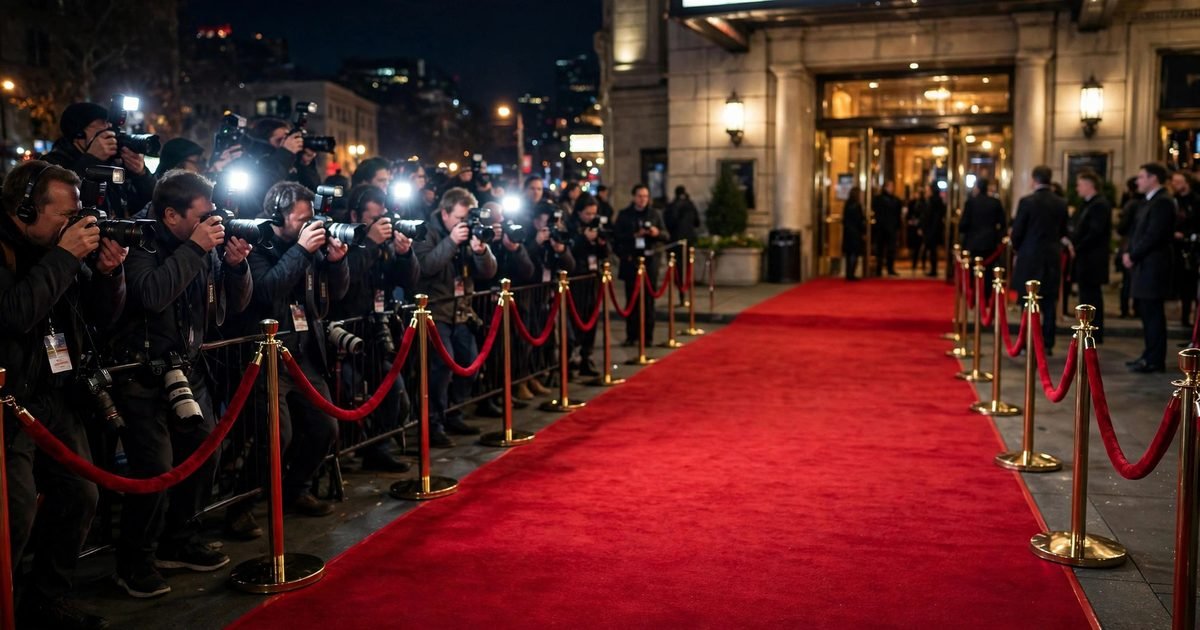
Few technologies have unsettled the entertainment industry like generative AI. Tools that can draft scripts, clone voices and conjure photorealistic faces arrived just as streaming had already squeezed creative pay — and artists recognized an existential question: if a machine can imitate the work, what happens to the worker? The debate now spans picket lines, courtrooms and contract negotiations.
Voices and likenesses for sale — or stolen
The sharpest fights concern identity. AI models can now reproduce a performer's voice or face from existing recordings, raising the prospect of studios reusing a star's likeness indefinitely after a single session. Performers' unions have pushed for explicit consent and compensation rules: no digital replica without permission, and payment each time it is used. Outside union protections, musicians have watched AI-generated songs mimicking famous voices go viral, forcing labels and platforms into a game of whack-a-mole over unauthorized imitations.
Writers in the loop
For writers, the threat is dilution rather than replacement. Studios see AI as a way to generate first drafts, treatments and dialogue options cheaply — then hire fewer writers to polish machine output. Writers counter that audiences can tell the difference, and that stories built from statistical averages converge on the bland. Recent labor agreements drew a line: AI cannot be credited as a writer, and companies cannot force writers to use it. The practical effect is a new workflow where AI assists with research and brainstorming while humans keep authorship — an uneasy truce both sides keep testing.
Music faces its own distinct battle over voice cloning. AI-generated tracks mimicking famous singers have racked up millions of plays, prompting labels to demand takedowns and platforms to build detection systems. Estates of deceased artists face stranger questions: who authorizes a new "collaboration" with a voice from beyond the grave, and who gets paid? Some living artists have embraced licensed voice models, letting fans create with their AI voice for a cut — a glimpse of a possible consensual future. But the core tension is unresolved: a voice is identity, and identity was never meant to be training data. Until law and contracts catch up, musicians remain the most exposed creators in the AI era, their instrument literally being themselves.
What artists actually want
Strip away the rhetoric and most artists are not anti-AI; they are anti-exploitation. The same tools that threaten livelihoods also offer genuine creative possibilities — independent musicians mastering tracks affordably, filmmakers pre-visualizing scenes, writers beating blank-page paralysis. The emerging consensus is a licensing model: AI trained on consenting artists' work, with those artists paid. Whether the industry builds that model voluntarily or has it imposed by courts and strikes is the story still being written.
Related Stories
 Entertainment
How video game budgets overtook Hollywood's
A plain-English explainer: a comparison of AAA budgets with film and where the money goes.
EntertainmentWhat Nollywood's rise means for African cinema
A plain-English explainer: an overview of the industry's volume, stars and global reach.
 Entertainment
How Hollywood blockbusters are actually financed
A plain-English explainer: an overview of through studios, presales and tax incentives.