What Makes Eurovision a Cultural Phenomenon
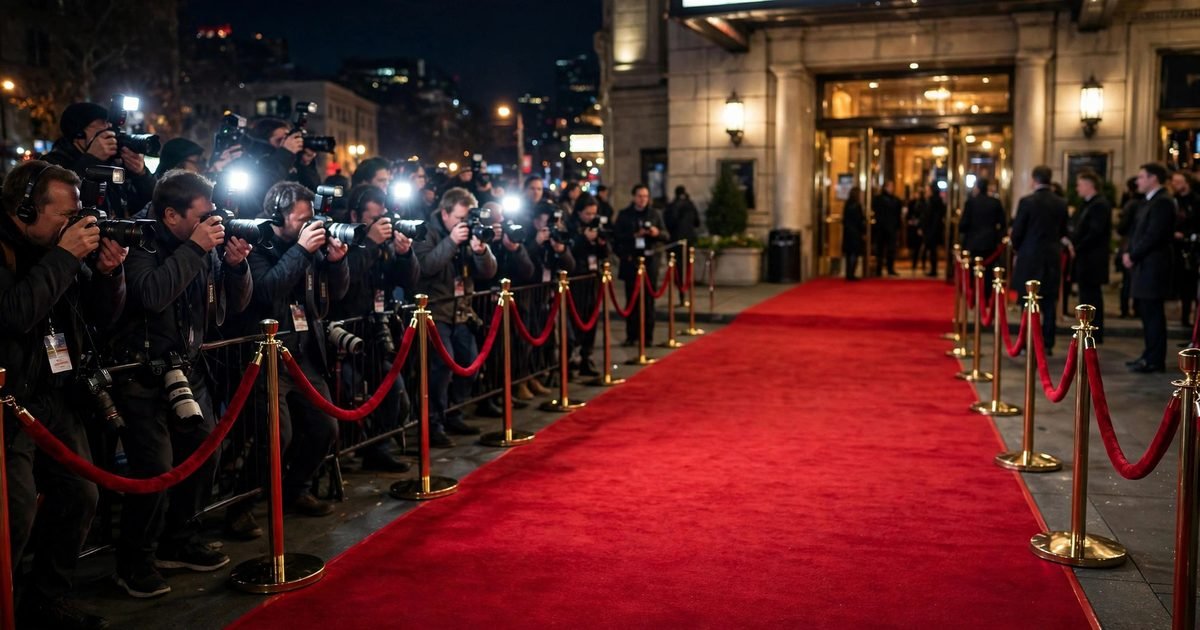
Once a year, tens of millions of Europeans — and a growing global audience — gather to watch a song contest that is part music competition, part geopolitical theater and part glitter explosion. Eurovision has survived for seven decades, outlasted countless slicker rivals and launched genuine superstars. Its staying power is no accident; it is the product of a format that turned its own absurdity into a feature.
The voting is the show
Eurovision's scoring system — part jury, part public vote, delivered country by country in excruciating slow motion — is reality television's greatest suspense engine. Voting blocs (neighbors voting for neighbors, diasporas voting for home) add a layer of geopolitical soap opera that analysts dissect like election results. The famous "douze points" ritual turns arithmetic into drama, and the long reveal guarantees that nobody changes the channel before the winner is known.
Camp as strategy
The contest embraces theatrical excess: wind machines, pyrotechnics, key changes, costumes that defy description. This is not a bug but the brand. Eurovision gives artists permission to be maximalist in an era of tasteful minimalism, and audiences reward the commitment. Beneath the glitter, though, the contest has repeatedly platformed genuine artistry and progressive moments — it has been a stage for LGBTQ+ visibility and cross-cultural collaboration for decades.
The contest's hit factory credentials are underrated. Beyond its most famous alumni, Eurovision functions as Europe's largest songwriting camp: composers and producers circulate through national selections for years, honing a craft of three-minute maximalism that the mainstream industry quietly borrows. Winning songs regularly become genuine continental hits, and even non-winners leverage the exposure into touring careers across dozens of countries — a promotional platform no label could buy. The contest also serves as a soft-power stage where nations project identity through pop, making it one of the few cultural events where geopolitics and glitter are openly, joyfully the same thing.
Why it endures
Eurovision endures because it belongs to its audience. Fans run the lore, the memes and the viewing parties; the contest is a participatory ritual rather than a broadcast. It is also stubbornly live in an on-demand age — a shared simultaneous event, which is increasingly rare and therefore valuable. As long as Europe wants one night a year to argue about pop music together, Eurovision will be there, key change and all.
Seven decades in, Eurovision remains gloriously itself: part contest, part carnival, part diplomatic incident set to music. In an age of infinite on-demand content, one live night of shared absurdity turns out to be irreplaceable.
Related Stories
 Entertainment
How video game budgets overtook Hollywood's
A plain-English explainer: a comparison of AAA budgets with film and where the money goes.
EntertainmentWhat Nollywood's rise means for African cinema
A plain-English explainer: an overview of the industry's volume, stars and global reach.
 Entertainment
How Hollywood blockbusters are actually financed
A plain-English explainer: an overview of through studios, presales and tax incentives.