How Africa's Free Trade Area Could Transform Its Economies
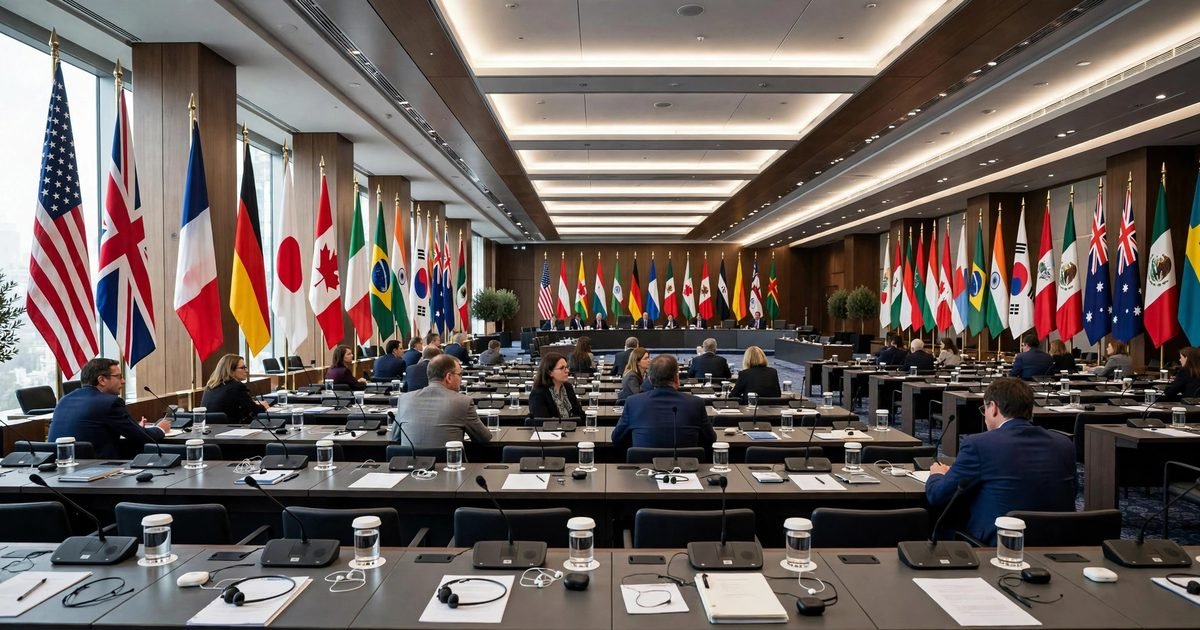
Africa trades less with itself than any other continent — a legacy of colonial-era infrastructure built to ship resources outward, not goods between neighbors. The African Continental Free Trade Area, the world's largest free trade zone by participating countries, aims to change that. Its promise is enormous; its rollout, slow.
The logic is compelling. Intra-African trade faces higher barriers than trade with the rest of the world: tariffs, incompatible standards, dreadful transport links, and borders where trucks queue for days. Removing these frictions could unlock manufacturing, diversify economies, and lift millions from poverty.
What the agreement promises
On paper, the AfCFTA is sweeping: phased tariff elimination across most goods, protocols on services, investment, and digital trade, and a dispute mechanism. Early guided-trade pilots have demonstrated that the machinery can work — matched buyers and sellers moving goods under the new rules.
The prize most cited is industrialization: larger integrated markets make manufacturing viable, letting African firms scale before competing globally.
Why rollout is slow
Reality intrudes at every border post. Rules of origin — determining what counts as "African-made" — are fiendishly complex to negotiate product by product. Customs systems are not interoperable. Roads, rail, and ports remain inadequate. And political will wavers when protected industries lobby against opening up.
The gap between summit declarations and border-post practice is the agreement's defining challenge.
- Intra-African trade barriers exceed barriers with the outside world.
- Rules of origin and customs incompatibility slow implementation.
- Infrastructure gaps — transport, energy — cap the gains.
The digital trade protocol may prove the sleeper success of the agreement. Africa's digital economy is growing fast, and harmonized rules on data flows, e-payments, and online consumer protection could unlock cross-border services trade that physical infrastructure cannot yet support. For young, connected populations, the digital chapter might matter more than the goods chapters.
Women traders — who dominate informal cross-border commerce — stand to gain disproportionately from simplified procedures, yet are often absent from the negotiating rooms. Pilot programs with simplified trade regimes for small traders show dramatic results where implemented. Making the agreement work for its smallest users may ultimately matter more than the headline tariff schedules.
What traders need
For businesses, the wishlist is practical: one-stop border posts, harmonized standards, trade finance for small firms, and digital systems that actually talk to each other. Where these exist, trade responds quickly.
The AfCFTA will be judged not by signatures but by trucks moving faster. That transformation is underway — unevenly, and slower than promised, but underway.
Related Stories
WorldHow International Students Reshape Universities and Cities
Tuition economics, campus culture, and housing impacts: the global student mobility story.
 World
WorldHow Cities — Not Nations — Are Leading on Climate Action
City-led climate networks are bypassing national gridlock with building codes, transit, and procurement power.
 World
WorldWhy Southeast Asia Is the New Manufacturing Frontier
Supply-chain shifts, industrial parks, and the workforce story behind the region's factory boom.