How Global Shipping Lanes Shape the World Economy

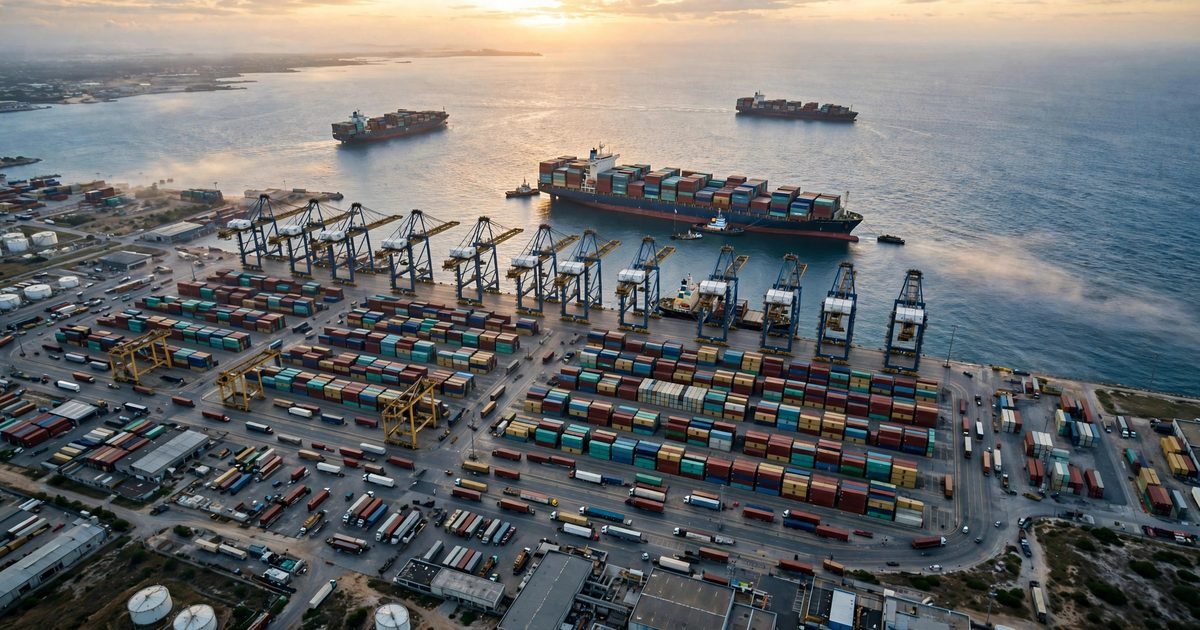
Around four-fifths of world trade by volume travels by sea, funneled through a surprisingly small number of narrow passages. These maritime chokepoints — straits and canals barely wider than a city block in places — are the pressure points of the global economy. When one closes, the world feels it within days.
The map of vulnerability is short: the Strait of Malacca, the Suez Canal, the Panama Canal, the Strait of Hormuz, and a handful of others carry a disproportionate share of the energy, food, and manufactured goods the world depends on.
The chokepoints that matter most
Each chokepoint has its own character. Suez links Europe and Asia; when a giant container ship wedged itself across the canal, it froze hundreds of vessels and billions in trade, a vivid lesson in concentration risk. Malacca is the energy artery of East Asia. Hormuz carries a huge share of seaborne oil. Panama, dependent on rainfall for its locks, has shown how climate itself can throttle trade.
Alternatives exist — around the Cape of Good Hope, across the Arctic — but they add days or weeks and significant cost. In a just-in-time world, delay is its own kind of disruption.
How a single disruption ripples outward
The mechanics of contagion are straightforward: ships queue, schedules collapse, container availability tightens, freight rates spike, and the costs land on importers, then consumers. Energy shocks hit fastest; manufacturing supply chains, dependent on components arriving on schedule, seize up next.
Insurers, meanwhile, reprice risk overnight — war-risk premiums for threatened routes can multiply, adding a financial shock on top of the physical one.
- A handful of straits and canals carry most of the world's seaborne trade.
- Blockages cascade: queues, rate spikes, and shortages within days.
- Climate — drought at Panama, ice in the Arctic — is now a shipping variable.
Piracy and maritime crime add another layer of risk to key lanes. While large-scale piracy off East Africa has been suppressed through naval patrols and onboard security, incidents persist in other regions, raising insurance costs and forcing rerouting. Maritime security is thus a permanent overhead on global trade — invisible in calm years, suddenly expensive when threats flare.
Building resilience into trade routes
Responses include diversifying routes, nearshoring production, and holding larger inventories — all reversals of decades of efficiency-first logistics. Navies patrol threatened lanes; diplomats work to keep straits open and neutral.
The lesson of every shipping crisis is the same: the global economy runs on a few narrow stretches of water, and protecting them is everyone's business.
Related Stories
 World
WorldHow International Students Reshape Universities and Cities
Tuition economics, campus culture, and housing impacts: the global student mobility story.
WorldHow Cities — Not Nations — Are Leading on Climate Action
City-led climate networks are bypassing national gridlock with building codes, transit, and procurement power.
 World
WorldWhy Southeast Asia Is the New Manufacturing Frontier
Supply-chain shifts, industrial parks, and the workforce story behind the region's factory boom.