How International Election Observers Work
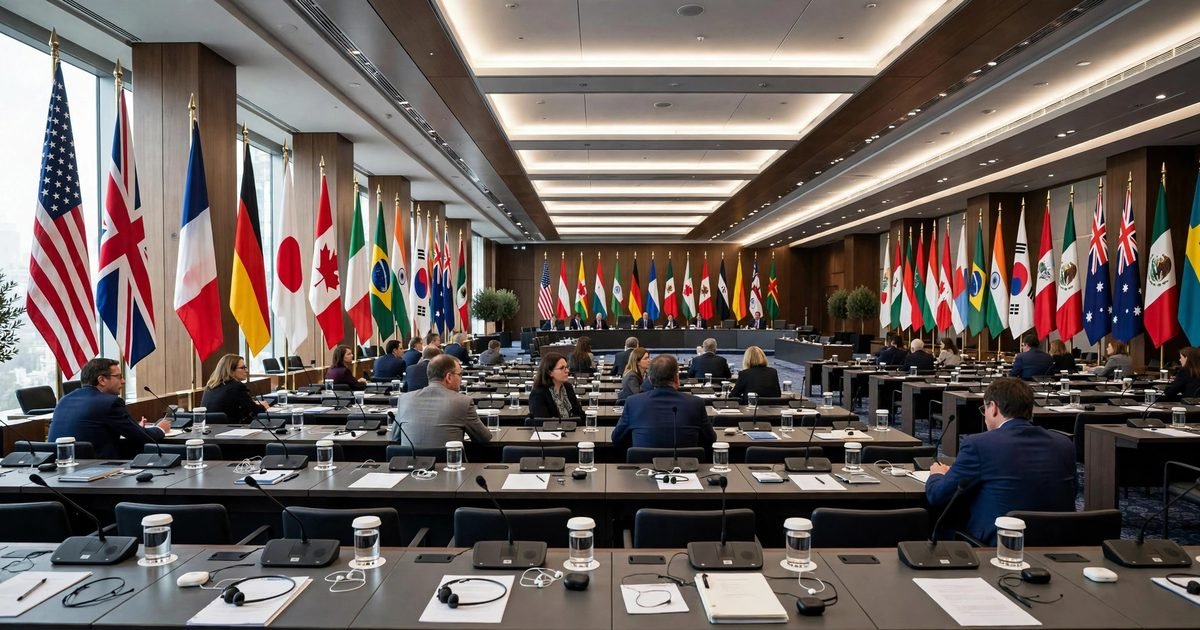
Elections are the moment when a country's democratic claims meet reality — and increasingly, outsiders are watching. International election observation has grown into a professional field with standardized methods, deploying thousands of observers to assess whether votes are genuinely free and fair.
The practice rests on a simple idea: sunlight deters fraud. A government planning to rig an election thinks twice when trained observers, backed by international attention, are documenting every step.
Who observes and what they check
Observation missions come from intergovernmental organizations, regional blocs, and specialized NGOs. Long-term observers arrive weeks or months early to assess the legal framework, media environment, and campaign conditions. Short-term observers fan out on election day to watch polling stations open, voting proceed, and ballots counted.
They check the unglamorous details that determine fairness: voter registration accuracy, ballot secrecy, the conduct of officials, the tabulation chain, and whether complaints get heard. Methodology matters — credible missions publish their methods and deploy statistically meaningful observer coverage.
Do verdicts change outcomes?
The honest answer: sometimes. A clean bill of health legitimizes winners and reassures markets; a damning report can fuel opposition movements, trigger sanctions, or force reruns. But determined autocrats have learned to manage observers — restricting access, expelling critical missions, or simply ignoring findings.
The deeper value may be cumulative: decades of observation have professionalized election administration worldwide and created norms that even flawed regimes feel compelled to simulate.
- Long-term observers assess laws and campaigns; short-term teams cover election day.
- Credibility depends on transparent methodology and adequate coverage.
- Verdicts can legitimize, delegitimize, or be ignored — depending on the regime.
Domestic observers — citizen groups watching their own elections — are arguably as important as international missions, and far more numerous. They know the local context, stay for the whole cycle, and continue the accountability work after internationals fly home. The most effective observation combines both: international missions lending protection and spotlight, domestic groups providing depth and permanence.
Technology is reshaping observation itself. Parallel vote tabulation — independent counts conducted by observer groups — can verify official results, while encrypted reporting apps let thousands of observers transmit findings in real time. These tools raise the bar for would-be manipulators, who must now defeat not just observers but the data systems behind them.
Observation under pressure
The field faces headwinds: restricted access in authoritarian states, disinformation that discredits missions preemptively, and donor fatigue. Yet demand keeps growing — more countries invite observers than ever, including some with questionable motives seeking a veneer of legitimacy.
Separating genuine scrutiny from observation theater is the field's central challenge. The methods exist; the politics remain the hard part.
Related Stories
WorldHow International Students Reshape Universities and Cities
Tuition economics, campus culture, and housing impacts: the global student mobility story.
 World
WorldHow Cities — Not Nations — Are Leading on Climate Action
City-led climate networks are bypassing national gridlock with building codes, transit, and procurement power.
 World
WorldWhy Southeast Asia Is the New Manufacturing Frontier
Supply-chain shifts, industrial parks, and the workforce story behind the region's factory boom.