How International Sanctions Work — and Who They Hurt
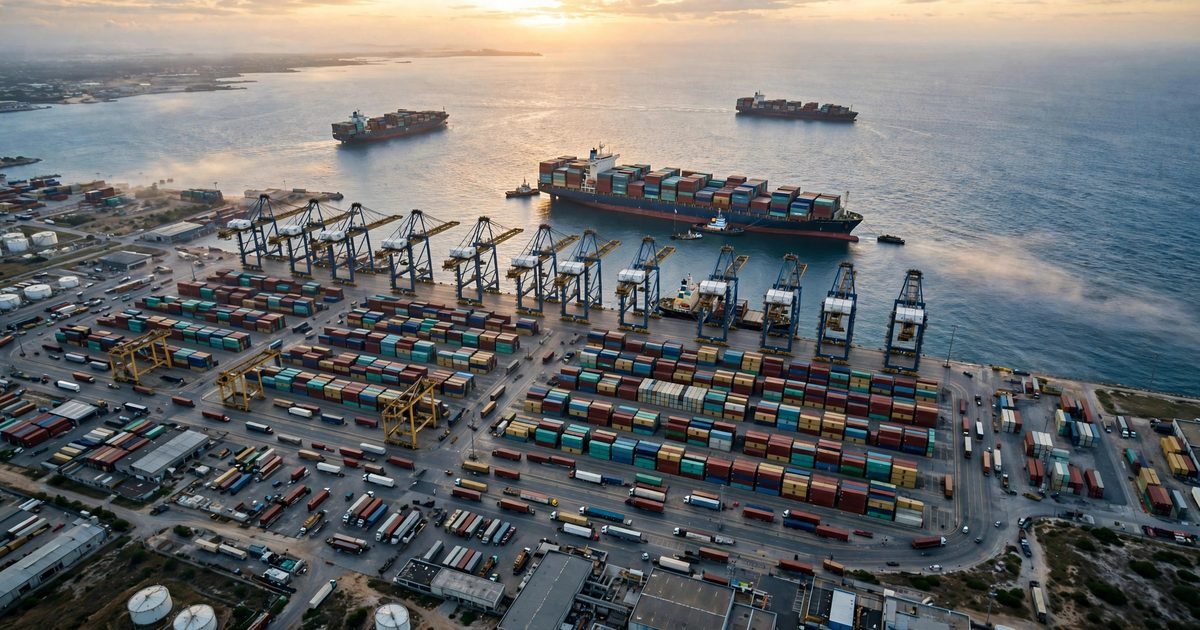
When diplomacy fails and war is unthinkable, governments reach for sanctions. These economic penalties — asset freezes, trade bans, financial restrictions — are now a default tool of foreign policy. But a stubborn question follows them everywhere: do they actually work, and who really pays the price?
Sanctions come in many forms. The bluntest are comprehensive embargoes that cut a country off from trade and finance. More common today are targeted or "smart" sanctions aimed at individuals, companies, and sectors — designed, in theory, to pressure decision-makers while sparing ordinary people.
How the mechanisms bite
Modern sanctions work through the plumbing of global finance. Cutting banks off from international payment messaging systems isolates them from dollar-denominated trade. Asset freezes lock the overseas wealth of targeted elites. Export controls deny access to critical technologies, from semiconductors to aircraft parts.
The power of these tools rests on the centrality of Western financial systems. Because so much global trade flows through them, even countries not party to sanctions often comply — banks worldwide avoid handling transactions that might draw penalties, a phenomenon known as over-compliance.
Who really gets hurt
Here the record is uncomfortable. Targeted sanctions were invented to avoid the humanitarian disasters of comprehensive embargoes, yet evidence suggests ordinary citizens still bear much of the cost. Economies under sanctions shrink, currencies collapse, and imported medicine and food grow scarce — while well-connected elites often find workarounds.
Defenders argue sanctions are still preferable to military force and can work when paired with clear demands and off-ramps. Critics counter that they rarely change regime behavior, entrench authoritarian narratives of external victimhood, and punish populations for their rulers' decisions.
- Financial plumbing — payment systems, dollar clearing — is sanctions' main weapon.
- Over-compliance by global banks amplifies the impact beyond the letter of the law.
- Evidence suggests citizens suffer most while elites adapt.
Humanitarian exemptions are supposed to protect civilians — carve-outs for food, medicine, and aid. In practice, they often fail. Banks, fearing massive penalties, refuse to process even legal humanitarian transactions, a chilling effect aid groups call de-risking. Licensing processes are slow and complex, and the result is that exemptions exist on paper while shortages persist on the ground. Reformers argue the system needs standing humanitarian channels, not case-by-case permissions.
Do sanctions achieve their goals?
Success stories exist but are the exception; most sanctions regimes drag on for years without producing the demanded policy change. Scholars increasingly argue that sanctions work best as part of a broader strategy — combined with diplomacy, clear conditions for relief, and multilateral unity — rather than as punishment alone.
As great-power competition intensifies, sanctions are being deployed more often, not less. Understanding their real effects — and limits — matters more than ever.
Related Stories
 World
WorldHow International Students Reshape Universities and Cities
Tuition economics, campus culture, and housing impacts: the global student mobility story.
 World
WorldHow Cities — Not Nations — Are Leading on Climate Action
City-led climate networks are bypassing national gridlock with building codes, transit, and procurement power.
WorldWhy Southeast Asia Is the New Manufacturing Frontier
Supply-chain shifts, industrial parks, and the workforce story behind the region's factory boom.