Why Latin America Is Key to the Energy Transition
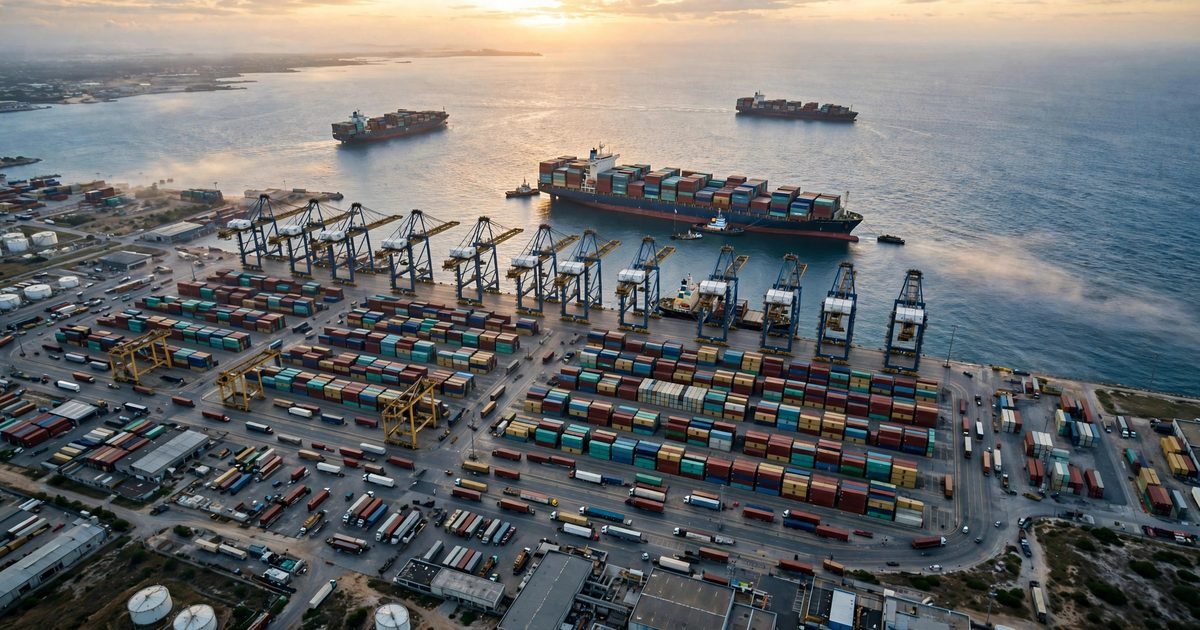
The energy transition runs on minerals, and Latin America sits on some of the world's richest deposits. Lithium for batteries, copper for wiring, rare earths for magnets — the region's geology has made it indispensable to decarbonization, and its governments know it.
This is not the first time the region's resources have drawn the world's attention, and leaders are determined that this time the benefits stay home. The politics of critical minerals is becoming as consequential as the politics of oil once was.
The resource advantage
The region holds a commanding share of known lithium reserves, concentrated in high-altitude salt flats, plus major copper deposits that feed the electrification of everything. As demand for batteries and grid infrastructure surges, these resources confer real leverage over supply chains.
But reserves in the ground are not the same as refined materials. Most processing still happens elsewhere, capturing the highest-value steps. The strategic question is how far up the value chain the region can climb.
Negotiating from strength
Governments are experimenting with models to capture more value: state participation in mining ventures, requirements for local processing, and lithium policies that treat the mineral as strategic. The approaches vary — from market-friendly frameworks to assertive state control — reflecting different political traditions.
Buyers, meanwhile, are racing to lock in supply, offering investment in exchange for offtake agreements. The competition among major powers for these resources gives producers unusual bargaining power — if they can coordinate and avoid undercutting each other.
- The region holds world-class lithium and copper deposits essential to electrification.
- Most refining value currently accrues outside the region.
- Governments are pushing for local processing and state participation.
The environmental ledger deserves scrutiny. Lithium extraction in high-altitude salt flats consumes vast quantities of water in already-arid ecosystems, threatening fragile habitats and Indigenous communities' water rights. The irony is sharp: the minerals enabling clean energy can exact dirty local costs. How the region manages this tension — through regulation, technology, and consent — will define whether the boom is sustainable in more than name.
Avoiding the old traps
The shadow hanging over this boom is the "resource curse" — the pattern by which mineral wealth fuels corruption and conflict rather than development. Avoiding it requires transparent contracts, environmental safeguards for fragile ecosystems like salt flats, and revenue management that outlasts the boom.
Done right, the energy transition could finance Latin America's development. Done wrong, it repeats an old story with new minerals.
Related Stories
 World
WorldHow International Students Reshape Universities and Cities
Tuition economics, campus culture, and housing impacts: the global student mobility story.
 World
WorldHow Cities — Not Nations — Are Leading on Climate Action
City-led climate networks are bypassing national gridlock with building codes, transit, and procurement power.
WorldWhy Southeast Asia Is the New Manufacturing Frontier
Supply-chain shifts, industrial parks, and the workforce story behind the region's factory boom.