Why Water Scarcity Is Driving Tensions in the Middle East
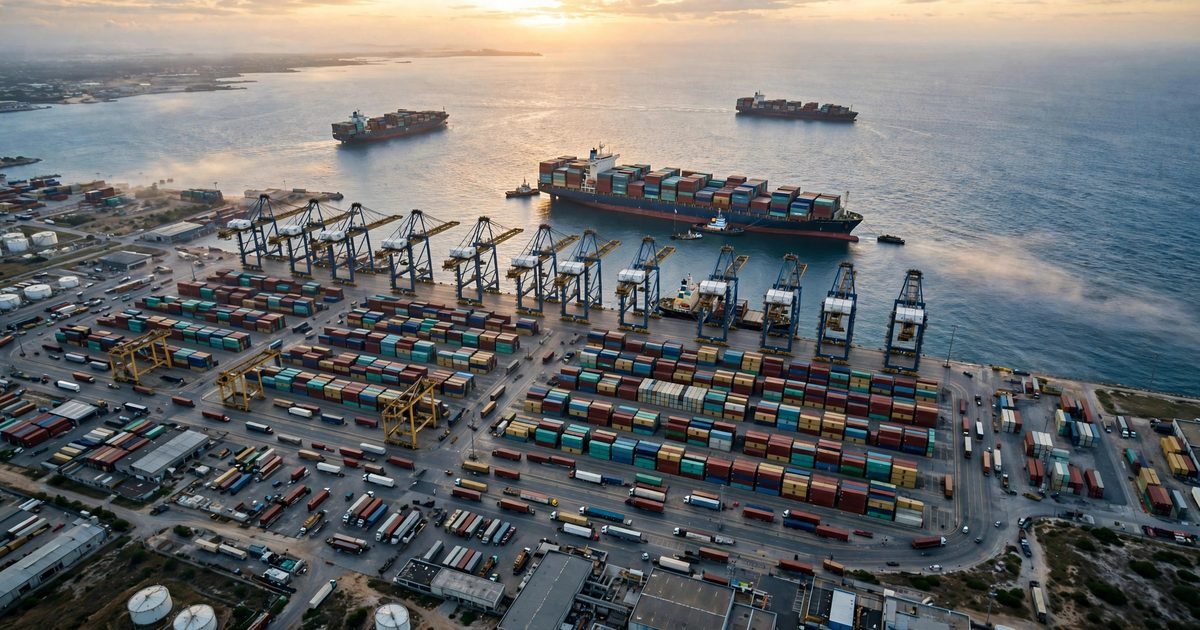
In the Middle East and North Africa, water is becoming what oil was in the last century: a strategic asset that shapes alliances, fuels disputes, and constrains entire economies. The region is among the most water-stressed on Earth, and climate change is tightening the squeeze.
The arithmetic is stark. Populations have grown rapidly while renewable water supplies have not — and in many places have shrunk. Agriculture, which consumes the lion's share of water, competes with thirsty cities and industry. Groundwater is being pumped far faster than aquifers recharge.
Rivers and dams as instruments of power
Shared rivers turn water into geopolitics. Upstream dam projects can reduce flows to downstream neighbors, and several of the region's great rivers cross borders drawn without regard for hydrology. Negotiations over water-sharing are among the most fraught diplomacy in the region — technical, existential, and easily weaponized in wider disputes.
Dams themselves have become strategic infrastructure: controlling releases means controlling a neighbor's agriculture and power generation. In conflicts, water facilities have been targeted precisely because of this leverage.
How states are adapting
Wealthier Gulf states have invested massively in desalination, now supplying a large share of their municipal water — at high energy and environmental cost. Others are turning to wastewater reuse, drip irrigation, and crop choices matched to aridity. Cloud seeding and atmospheric water capture remain marginal.
The most promising approaches treat water as a regional challenge: joint management of shared aquifers, data sharing on river flows, and water-for-energy swaps between neighbors. Cooperation is rational; politics often is not.
- MENA is among the most water-stressed regions globally, and the stress is growing.
- Shared rivers and upstream dams make water a geopolitical lever.
- Desalination, reuse, and efficient irrigation are the main adaptations.
One adaptation deserves more attention: virtual water trade. By importing water-intensive crops rather than growing them, arid countries effectively import the water embedded in food — often a far cheaper strategy than desalination. This makes food trade itself a water-security policy. The catch is dependence: virtual water only works if supply chains and trade relationships remain reliable.
Water's century
As climate pressures mount, water disputes will multiply — not only in the Middle East but wherever rivers cross borders and aquifers run dry. The region's experience offers both warning and instruction: water wars are avoidable, but only through institutions built before the crisis peaks.
The next great resource conflicts may not be fought over what lies underground, but over what flows above it.
Related Stories
 World
WorldHow International Students Reshape Universities and Cities
Tuition economics, campus culture, and housing impacts: the global student mobility story.
 World
WorldHow Cities — Not Nations — Are Leading on Climate Action
City-led climate networks are bypassing national gridlock with building codes, transit, and procurement power.
WorldWhy Southeast Asia Is the New Manufacturing Frontier
Supply-chain shifts, industrial parks, and the workforce story behind the region's factory boom.